
Penalties and rates should be considered when mortgage shopping
Mortgage rates are near record lows, but brokers say those shopping around for a loan should look beyond the rates they’re being offered and pay close attention to how much it will cost to break their mortgages.
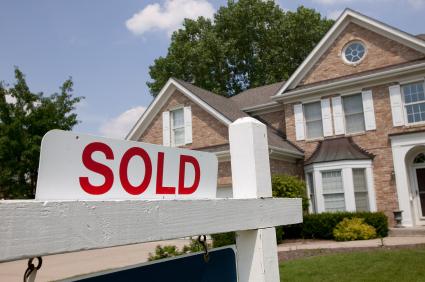
With the upcoming spring season on its way, the real estate market is looking like it will have another spring rush of new and returning home buyers. With new home buyers shopping, one of their biggest goals is to obtain the lowest possible mortgage rate they can find. However, looking for just a low rate can be a costly mistake!
Divorce, loss of employment, wanting to move to a different city for a new job all may prompt people to want out of a mortgage early, and the penalties vary depending on the type of mortgage they have and lender involved.
With a purchase of a new home, home buyers don't typically think about breaking their mortgage and fully anticipate staying in the home for the length of their term. A problem may arise two or three years down the road when one of the many possibilities mentioned above may occur and all of a sudden you are left with a shocking mortgage penalty.
When dealing with a mortgage broker or a bank, you should get the agent or bank representative to walk you through the mortgage penalty calculation so that you fully understand how much it will cost if you need to break your mortgage term.
Focusing solely on a lower mortgage rate may save you a few bucks on your monthly payment, but if you sign up for a product with a much higher penalty than what you had anticipated, you could end up spending thousands of dollars more than you would have, had you taken a product more suitable for your future goals.
The typical closed mortgage penalty is the greater of three months interest on the remaining balance or the interest for the remainder of the term on the remaining balance (calculated using an interest-rate differential calculator).
With mortgage rates still at historic lows, posted rates offered by the big Canadian banks have remained much higher. Which results in buyers having received heavy discounts on these posted rates. This can work against them when calculating the interest-rate differential when a big bank determines how much they'll have to pay to break their mortgage.
The interest-rate differential is meant to compensate the lender for having the loan paid early, but Frank Napolitano, managing partner at Mortgage Brokers Ottawa, noted the penalties differ depending on the lender - something to keep in mind when shopping around for a mortgage.
Mr. Napolitano says smaller lenders that specialize in mortgages may offer better terms if you need to break your mortgage early, and that could have a homeowner thousands of dollars.
"It could mean whether they get any equity out of the home after three years," he said.
Variable rate mortgages come with a much easier way to determine the penalty. Generally it is three months interest, which is for the most part less than the cost to break most fixed rate mortgages.
However, some borrowers may feel more comfortable taking on a fixed rate mortgage due to the predictable payments, allowing you to budget easier knowing what your future payments will be.